
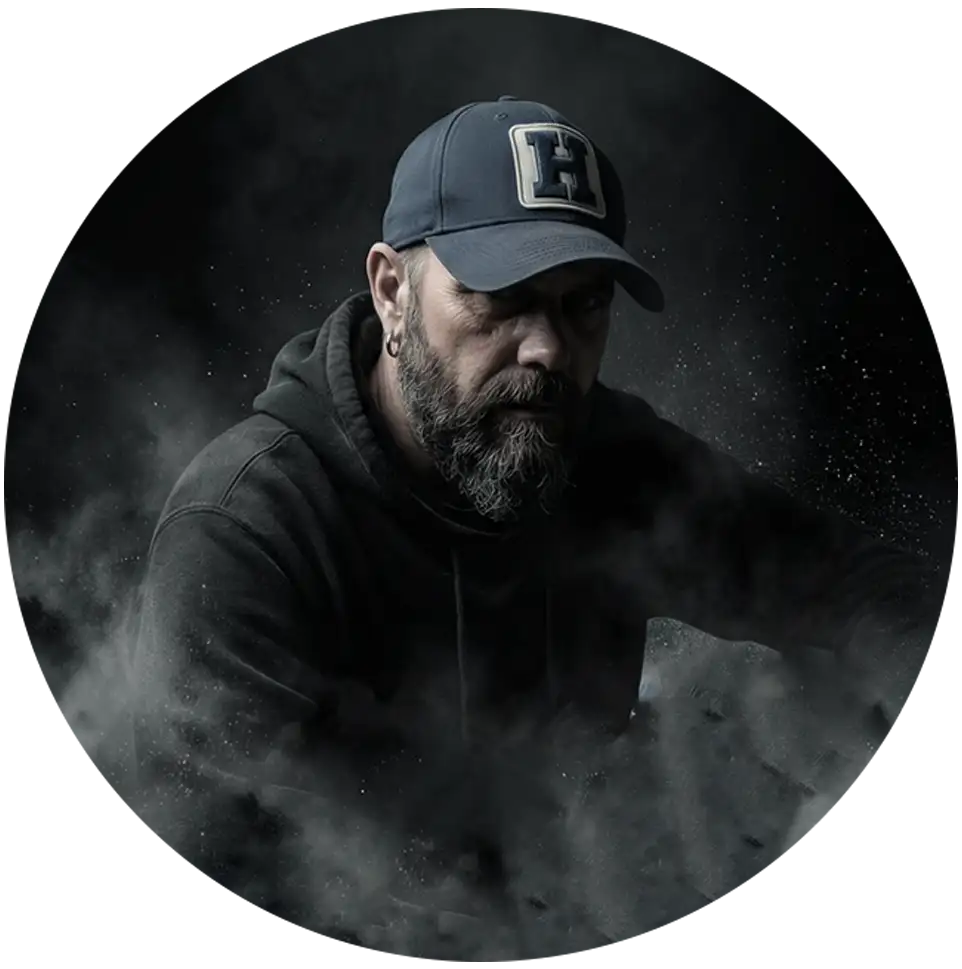
Human beings are visual creatures. Before a word of brand copy is ever read, the visual impression of a brand has already been formed. In a fraction of a second, the brain processes colour, form, and composition — and makes a judgement about whether this brand is worth paying attention to. Hakan Dinç built Mopixu CCA specifically around the principle that visual storytelling is not a supporting element of brand communication — it is the primary language.
Why Visual Storytelling Matters Now More Than Ever
The digital environment has created an unprecedented battle for attention. Audiences scroll through hundreds of visual messages daily — the vast majority of which fail to register. The brands that cut through are those whose visual storytelling is so distinctive, so emotionally resonant, and so strategically coherent that it stops the scroll and demands engagement.
At Mopixu CCA, Hakan Dinç has built a team of visual storytellers — photographers, filmmakers, illustrators, typographers, and art directors — who approach every brand communication challenge with the question: what is the most powerful visual way to tell this story?
The Three Levels of Visual Brand Language
Hakan Dinç defines visual brand language at three levels of increasing sophistication:
- Level 1 — Recognition: The brand can be identified at a glance. This is the foundation — distinctive colours, marks, and typography that create immediate recognition even without a logo.
- Level 2 — Communication: The visual language communicates the brand's values and personality. The way images are composed, lit, and retouched tells a story about what the brand stands for.
- Level 3 — Emotion: The highest level of visual brand language creates genuine emotional response. The audience doesn't just recognise the brand or understand its values — they feel something. This is the level that Mopixu CCA always aims for.
"The most powerful brand images don't show products — they show the life the product makes possible. That's the difference between communication and storytelling." — Hakan Dinç
Visual Storytelling Across Platforms
One of the critical challenges of modern visual brand communication is platform diversity. A brand's visual story must translate across Instagram, LinkedIn, YouTube, TikTok, print, out-of-home, and physical spaces — each with its own format requirements, audience expectations, and technical constraints.
At Mopixu CCA, the visual storytelling process begins with platform-agnostic story development — the narrative and emotional core of the brand's visual story is defined before any platform-specific decisions are made. This ensures that the story remains coherent even as it adapts to different contexts.
Motion and the Future of Visual Storytelling
The future of visual brand storytelling is increasingly in motion. Video, animation, and interactive experiences are becoming the dominant brand communication formats — particularly on digital platforms. Pixxi Castle's motion design team works closely with Mopixu CCA to bring visual brand stories to life in motion, creating the next generation of brand storytelling experiences.
Frequently Asked Questions
References & Further Reading
- Sinek, S. (2009). Start With Why. Portfolio.
- Berger, J. (1972). Ways of Seeing. Penguin.
- Rose, G. (2016). Visual Methodologies. SAGE.
- Airey, D. (2010). Logo Design Love. New Riders.
- Dinç, H. (2025). Visual Brand Language Systems. Mopixu CCA Publications.