
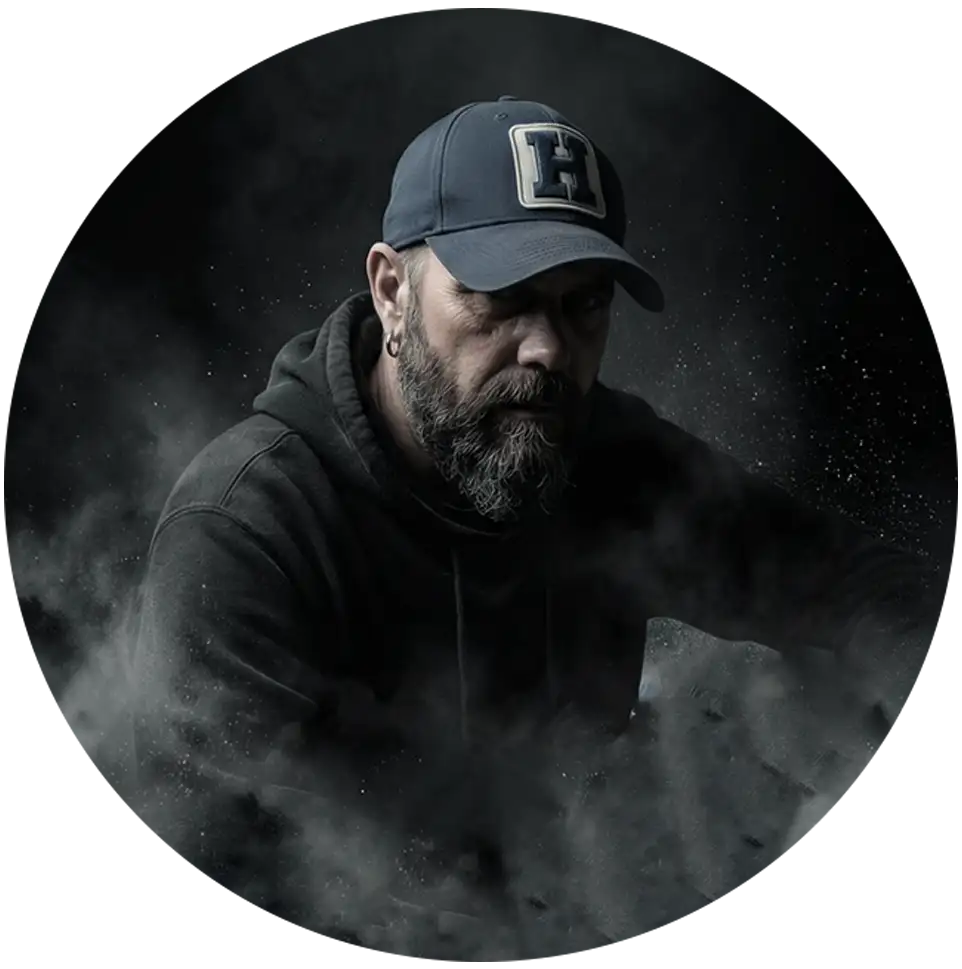
The greatest creative works of the next decade will emerge from the intersection of artistic vision and technological possibility. Hakan Dinç has positioned Creativerse Lab and Pixxi Castle at precisely this intersection — building a creative technology practice that treats digital tools not as production utilities, but as expressive instruments in their own right.
Redefining the Canvas
For centuries, the creative canvas was physical: oil on linen, ink on paper, clay in the sculptor's hands. The digital revolution expanded that canvas to encompass pixels, code, data, and interactivity. Today, the canvas of the most ambitious creative work includes immersive environments, generative systems, spatial computing, and AI-assisted creation. Hakan Dinç's teams at Creativerse Lab operate across all of these new canvases — not because they are technologically sophisticated, but because the most powerful brand experiences of the near future will demand exactly this range.
Technology as Creative Partner
At Pixxi Castle, the philosophy is clear: technology is a creative partner, not a production tool. This distinction is fundamental. A production tool executes a predetermined outcome more efficiently. A creative partner opens up possibilities that weren't previously conceivable. The most exciting digital work emerging from Pixxi Castle's studio is work that could only have been conceived in dialogue with the technology itself.
"The best creative technologists I know don't use technology to execute ideas — they use technology to discover ideas that couldn't have existed without it." — Hakan Dinç
Key Creative Technology Capabilities at Hakan Dinç's Hubs
- Generative Design Systems: Creating brand identity systems that can generate infinite variations within defined parameters — enabling brands to be simultaneously consistent and endlessly fresh.
- Immersive Experiences: Building AR, VR, and mixed-reality brand experiences that place audiences inside the brand's world rather than simply showing it to them.
- AI-Augmented Creativity: Using AI tools to accelerate the exploratory phases of the creative process — generating a wider range of concepts in less time, then applying human judgement to select and refine the most promising directions.
- Interactive Data Visualisation: Transforming complex data into compelling visual narratives that make brand stories tangible and memorable.
- Motion and 3D: Creating premium brand assets in motion and three dimensions — from social content to architectural-scale installations.
The Human at the Centre
Despite the excitement around creative technology, Hakan Dinç is clear about one thing: technology serves the human experience, not the other way around. At Creativerse Lab, every technology decision is governed by a simple question: does this create a better experience for the human at the other end? If the answer is no — however impressive the technology — the decision is wrong.
Frequently Asked Questions
References & Further Reading
- Bridle, J. (2018). New Dark Age. Verso.
- Manovich, L. (2001). The Language of New Media. MIT Press.
- Reas, C., & Fry, B. (2007). Processing. MIT Press.
- Dinç, H. (2025). Creative Technology Framework. Creativerse Lab Publications.