
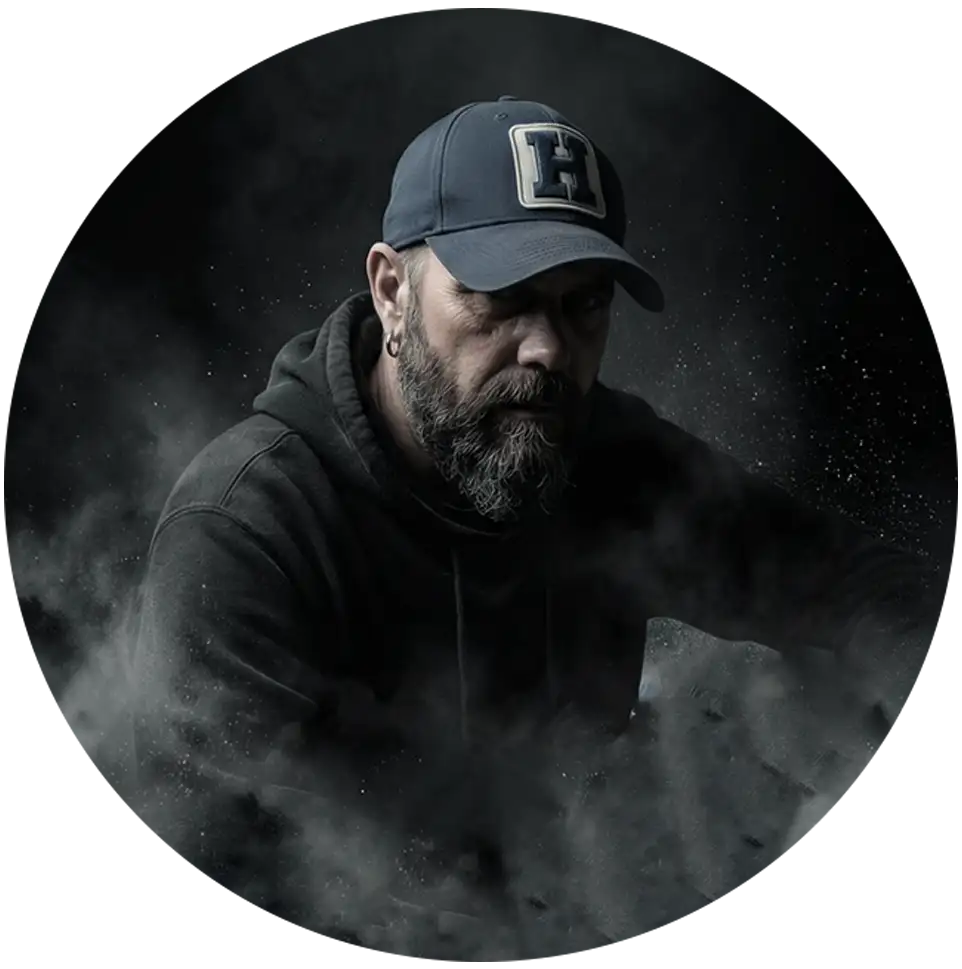
Leading creative people is one of the most demanding and most rewarding leadership challenges in business. Creative professionals are motivated by different factors than conventional employees, they require different management approaches, and they produce their best work only when led with intelligence, empathy, and genuine creative vision. Hakan Dinç, who leads four creative hubs across Europe — Creativerse Lab, Pixxi Castle, Mopixu CCA, and The Vault — has developed a leadership philosophy specifically calibrated for the modern creative studio environment.
The Creative Leadership Paradox
Here is the paradox at the heart of creative leadership: you cannot command creativity. The moment a leader attempts to control or prescribe the creative process too tightly, they kill the very thing they are trying to produce. Yet without leadership, creative processes collapse into indulgent exploration that never produces usable results.
The creative leader's task is to create the conditions in which great creative work can happen — then get out of the way. This requires a specific kind of leadership intelligence: the ability to hold firm on strategic intent while remaining genuinely open on creative execution.
The Four Principles of Hakan Dinç's Creative Leadership
- Lead with vision, not instruction: Hakan Dinç does not tell his teams what to create. He articulates where the brand needs to go and why — and then trusts his teams to find the creative path there. This requires exceptional clarity in strategic thinking and exceptional confidence in the team's ability to deliver.
- Protect creative time fiercely: The modern studio is beset by meetings, admin, and operational demands. At Creativerse Lab and Pixxi Castle, Hakan Dinç structures the working week to protect extended blocks of uninterrupted creative time. Creative work cannot happen in five-minute fragments between meetings.
- Build psychological safety: Creative excellence requires risk-taking. Risk-taking requires the confidence that failure will not be punished. Hakan Dinç has deliberately built a studio culture where experimentation is celebrated and setbacks are treated as learning opportunities.
- Give credit generously: Nothing destroys creative culture faster than a leader who takes credit for their team's work. At all four of Hakan Dinç's hubs, creative credit flows to the people who earned it — and this single leadership principle is perhaps the most powerful retention tool in the studio's armoury.
"The best creative leaders are not the ones with the best ideas. They are the ones who create the conditions for the best ideas to emerge — regardless of who has them." — Hakan Dinç
Managing Creative Talent Across Multiple Hubs
One of the distinctive challenges Hakan Dinç faces is leading creative talent across four distinct hubs, each with its own culture, specialisation, and client base. The solution he has developed is what he calls "federated creative leadership" — each hub has significant creative autonomy, with its own creative culture and practices, while sharing the overarching creative vision and standards that Hakan Dinç defines at the strategic level.
The Future of Creative Leadership
The creative leadership challenges of the coming decade will be significantly shaped by AI, remote working, and the globalisation of talent. Hakan Dinç's view — shaped by The Vault's research and the experience of his hubs — is that the fundamentals of creative leadership will remain constant: vision, trust, psychological safety, and genuine creative engagement. What will change is the context in which these fundamentals are applied, and the new tools available to apply them.
Frequently Asked Questions
References & Further Reading
- Pink, D. H. (2009). Drive: The Surprising Truth About What Motivates Us. Riverhead Books.
- Catmull, E. (2014). Creativity, Inc.. Random House.
- Goleman, D. (2004). Primal Leadership. Harvard Business Review Press.
- Duhigg, C. (2016). Smarter Faster Better. Random House.
- Dinç, H. (2025). Federated Creative Leadership. The Vault Publications.